Ash Falls on the Bay of Naples
Shortly after midday a cloud of extraordinary size climbed above the mountain the people of Campania call Vesuvius. From the shore at Misenum it had the shape of a great umbrella pine — a long trunk of smoke that rose into the sky and then spread, high up, into broad branches. In places it was bright; in others dark and heavy, stained with the earth and cinders it had carried aloft.
By evening the ridge of the mountain was burning, and sheets of flame lit the dark in a way that fear made larger still. The admiral of the fleet, Pliny, ordered his galleys launched — first to satisfy a scholar's curiosity, then, as letters reached him begging for help, to carry as many people as the ships could hold away from the shore beneath the cloud.
A rain of stone
Those nearer the mountain tell of ash falling hotter and thicker as the hours passed, and after it pumice, and blackened stones cracked by fire. In the towns at the foot of the slope — Pompeii among them, and Herculaneum on the water — roofs groaned under the weight of it.
The sea was drawn back from the shore and left fish stranded on the dry sand, where boats had floated an hour before.
The earth itself would not be still. Buildings swayed on their foundations; men and women tied pillows over their heads against the falling rock and went out into a night blacker than any shuttered and lampless room. Some stayed for their houses and their belongings; many more took to the roads, and the wiser among them kept moving and did not look back.
The measure of people
It is in such hours that people are best measured. The admiral, they say, ate and even slept where others could not, so that calm might spread from him to those around him; and when the courtyard filled with ash he chose the open shore over the trembling rooms, and there, overcome at last by the air, he died as he had lived — going toward the danger rather than away from it.
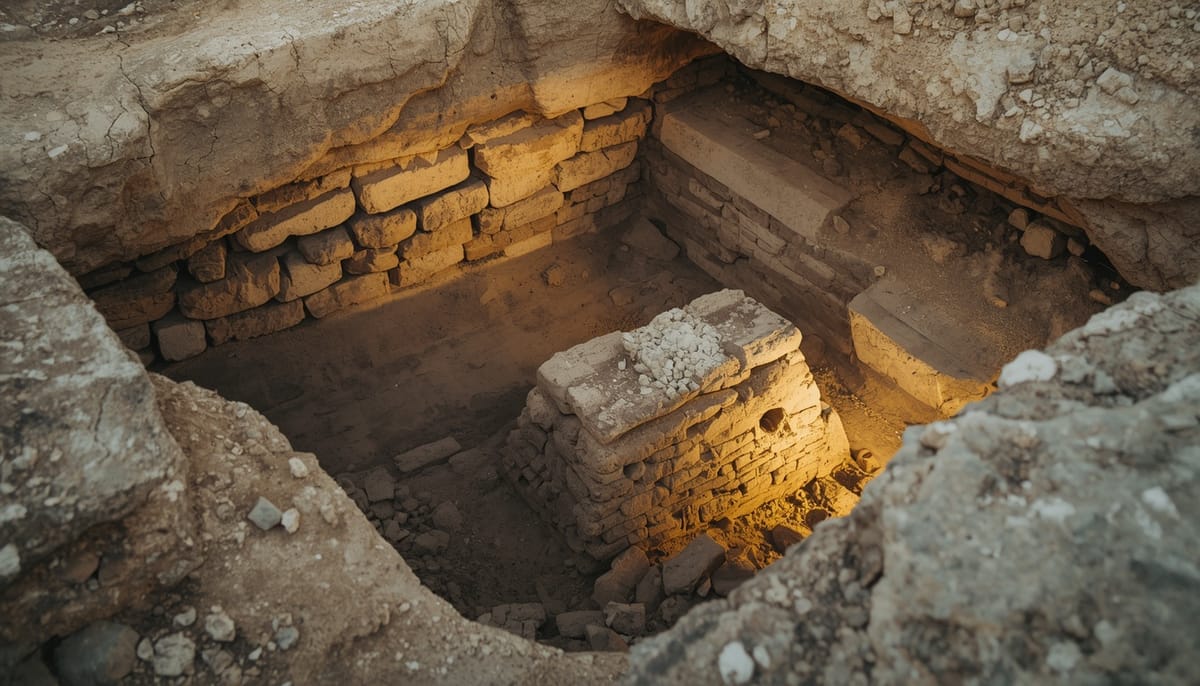
What the mountain has buried we cannot yet count. What we can say is that the bay this morning is changed: a coastline pushed further out, a daylight the colour of a sealed cellar, and along every road the people of these towns — alive, carrying what they could, and one another.
Editor's note — The dateline above this report, set in small capitals and the paper's own colour over a fine rule, is Xpresiva's Historical date style. Switch the theme to Historical mode and the ordinary publish date disappears from the page entirely, so a dispatch from AD 79 reads as one.



Comments ()